
Spring Season Planning for Septic System Replacement Projects
Spring is the perfect time for property owners to find local contractors who can efficiently replace or upgrade septic systems for reliable seasonal performance.
Spring is a popular season for property owners to consider septic system replacement due to the natural cycle of property maintenance and seasonal planning. As outdoor projects become more manageable with milder weather, spring offers an ideal window to assess and address septic system needs before the heavier demands of summer. Additionally, spring provides ample daylight and more favorable ground conditions, making excavation and installation work more straightforward for local contractors. Planning a septic replacement during this time can help ensure the system is ready to support summer activities and avoid potential disruptions during peak usage months.
Septic system replacement services typically cover a range of tasks essential to establishing a reliable and functional system. These services often include the removal of the old or failing septic tank, site preparation, and the installation of a new tank along with necessary drain field components. Contractors may also handle soil testing, system design, and permitting assistance to ensure the new setup complies with local regulations. Proper installation is crucial for long-term performance, preventing issues such as leaks, backups, or soil contamination, and ensuring the system operates efficiently for years to come.
Property owners interested in septic system replacement can compare local service providers by evaluating their experience, reputation, and the scope of services offered. It’s helpful to review credentials and ask about the types of systems they install to find options that best suit the property’s size and usage needs. Many local contractors provide consultations or assessments to recommend suitable solutions and explain their process. By considering factors such as customer feedback, service offerings, and the level of expertise, property owners can make informed decisions and select a provider that aligns with their project requirements.
Spring is a great time to plan septic system replacements by evaluating priorities and comparing local contractors.
- Septic System Replacement Planning - Spring is an ideal time to evaluate and plan for septic system upgrades or replacements.
- Choosing Local Contractors - Connecting with experienced service providers ensures proper installation and system performance.
- Understanding Replacement Options - Local pros can help identify suitable septic system types based on property needs.
- Preparing for Installation - Proper site assessment and planning can facilitate a smooth replacement process during spring.
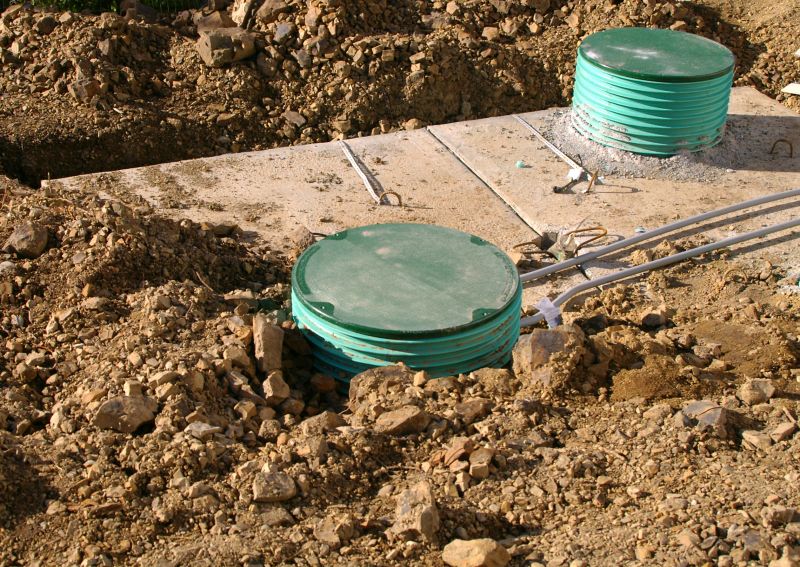
Spring is a great time to plan for septic system replacement by clearly describing your project before comparing local contractors.
- Assess system age and recent performance issues - consider if the septic system shows signs of failure or has been in use for many years.
- Evaluate the property’s soil and site conditions - ensure the land can support a new septic system and meets local regulations.
- Review available space for installation or replacement - verify there is sufficient area for the new system and any required components.
- Identify potential access points for installation or removal - ensure service providers will have proper access to work efficiently.
- Check for existing system components that may need removal or upgrades - plan for removal of old tanks or pipes that could interfere with the new system.
- Determine the type of septic system suitable for the property - discuss options with local contractors based on site conditions and household needs.
Use this to explore ideas and refine your project scope with trusted local contractors.
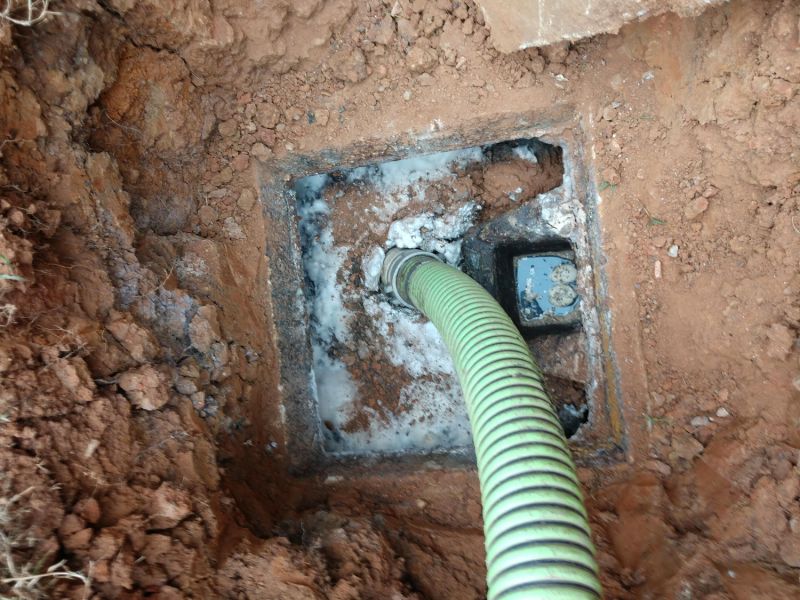
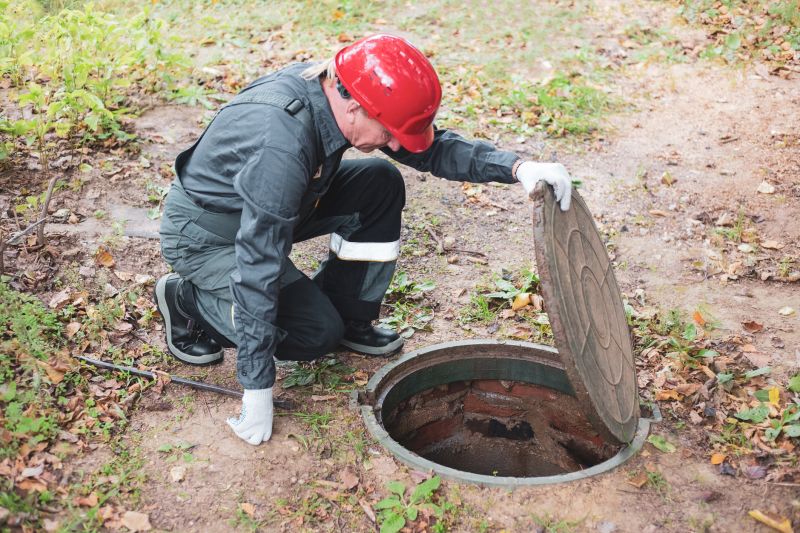

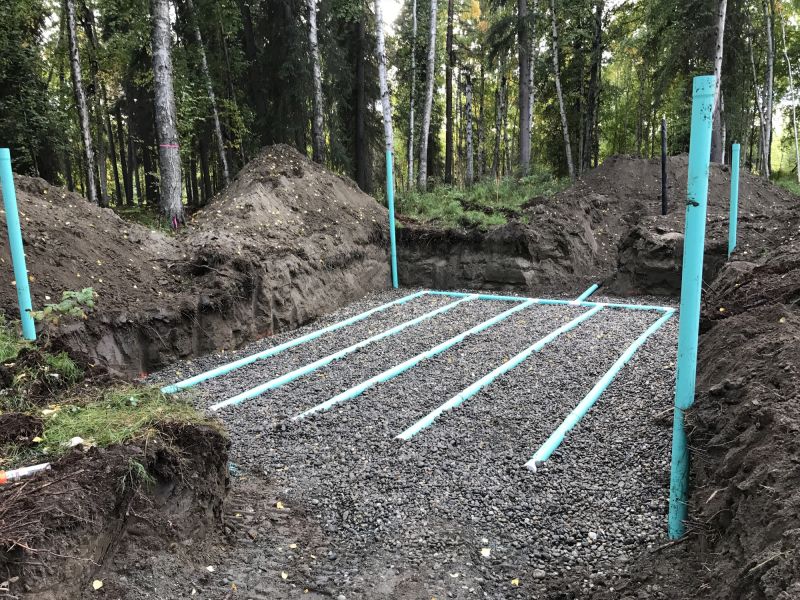
Prioritize your project needs and compare local contractors to find trusted service providers for your spring septic system replacement.
- Septic System Replacement Planning - Spring is an ideal time to evaluate the condition of an existing septic system and plan for a replacement if needed. Local contractors can assess the site and recommend suitable solutions for a smooth upgrade.
- Site Preparation and Permitting - Preparing the site for septic system replacement involves excavation and obtaining necessary permits, tasks that local service providers can handle efficiently during the spring season.
- Drainfield Restoration - Replacing or repairing the drainfield in spring helps ensure proper wastewater absorption for the warmer months, with local experts providing the necessary installation and repair services.
- System Design and Customization - Spring offers a good opportunity to consult with local contractors about designing a septic system tailored to current property needs and future growth plans.
- Environmental and Soil Testing - Conducting soil and environmental testing in spring helps determine the best type of septic system, with local specialists capable of performing these assessments accurately.
Use this scope builder to compare local contractors consistently when planning your spring septic system replacement.
- Assessment of Site Conditions - Define the soil type, drainage patterns, and available space to determine suitable locations for the septic replacement.
- Design Requirements - Identify the capacity and system type needed to accommodate household size and usage patterns.
- Permitting and Regulations - Clarify local codes and permit requirements that must be met for system installation.
- Material and System Selection - Choose appropriate septic tank and components based on durability, size, and compatibility with site conditions.
- Service Provider Capabilities - Ensure local contractors have experience with septic system replacements and understand site-specific challenges.
When considering septic system replacement during the spring season, it is important to evaluate the experience of local contractors with similar projects. Homeowners should inquire about the types of systems the service providers have worked on and the complexity of past replacements. A contractor's familiarity with different soil conditions, system sizes, and site-specific challenges can influence the quality and efficiency of the work. Choosing a provider with a history of successful septic replacements in the area can help ensure that the project proceeds smoothly and meets local regulations.
Clear communication about the scope of work is essential when comparing local service providers. Homeowners should seek detailed descriptions of what each contractor includes in their septic replacement services, such as site preparation, excavation, installation, and post-installation testing. Understanding exactly what is covered helps prevent misunderstandings and ensures that the project meets specific needs. Service providers who can clearly outline the steps involved and what materials or equipment will be used can make the planning process more straightforward.
Work planning considerations are particularly relevant in the spring, when weather conditions and soil moisture levels can impact excavation and installation. Homeowners should ask potential contractors how they plan to manage these seasonal factors, including site access, equipment use, and protection of surrounding landscaping. A well-organized work plan that accounts for spring-specific challenges can reduce delays and help coordinate other outdoor projects. Contractors who demonstrate thoughtful planning are often better equipped to adapt to changing conditions and complete the project efficiently.
Evaluating options without focusing on pricing involves assessing the expertise, communication clarity, and project approach of local service providers. Homeowners can compare how thoroughly each contractor explains their process, their responsiveness to questions, and their readiness to address specific site considerations. It is also helpful to review any provided references or examples of previous work, which can offer insights into their professionalism and reliability. By focusing on these qualitative factors, homeowners can select a service provider that aligns with their project goals and expectations for a successful septic system replacement.
Request written clarification to ensure the scope of your septic system replacement aligns with your spring planning goals.
- Septic System Replacement Services - What factors should be compared when evaluating local contractors for a septic system replacement?
- Scope of Work Clarification - How do different service providers define the scope of a septic system replacement project?
- Provider Experience - What experience levels do local contractors have with septic system replacements in the spring season?
- Service Offerings - How do the offerings of local pros vary in terms of scope, materials, and installation methods?
- Quality Standards - What quality benchmarks do local contractors follow to ensure a reliable septic system replacement?
What are signs that a septic system needs replacement? Indicators include persistent backups, foul odors, standing water near the drain field, or slow draining fixtures, suggesting that a replacement may be necessary.
Why consider replacing a septic system in the spring? Spring is a popular time for upgrades as weather conditions improve, making it easier for contractors to perform the work and prepare for the warmer months ahead.
How do local contractors handle septic system replacements? Experienced service providers assess the existing system, plan the installation, and ensure proper setup to meet local regulations and site conditions.
What should be included in a septic system replacement project? Typically, the project involves removing the old system, preparing the site, installing a new septic tank and drain field, and conducting necessary inspections.
Are there different types of septic systems to consider? Yes, options include conventional systems and alternative designs like mound systems or aerobic treatment units, depending on site requirements and local codes.
How can homeowners prepare for a septic system replacement? Clearing the area around the existing system, removing obstacles, and discussing project details with local service providers can facilitate a smooth replacement process.
This page has provided an overview of septic system replacement, highlighting the importance of proper planning and understanding the key factors involved. Visitors have learned about the benefits of timely upgrades, common reasons for replacing a system, and the value of consulting experienced local contractors to ensure the job is handled appropriately. To explore options and find the right service provider for specific needs, using the quote form can help compare local professionals who specialize in septic system replacements.
Spring is a popular time for home improvement projects, including septic system upgrades, to prepare for the seasons ahead. By reaching out through the quote form, visitors can connect with local service providers who can assist with planning and executing a septic system replacement. This approach makes it easier to gather information, compare options, and find trusted local contractors ready to support seasonal improvements.
Providing clear details about your septic system replacement helps local contractors understand your project needs effectively.
- Septic System Replacement Needs - details about the current septic system and reasons for replacement.
- Property Information - specifics about the property size, layout, and usage that impact system selection.
- Previous System Details - information on the existing septic system, if applicable, and its history.
- Project Goals - insights into desired outcomes, such as improved functionality or compliance with local regulations.