
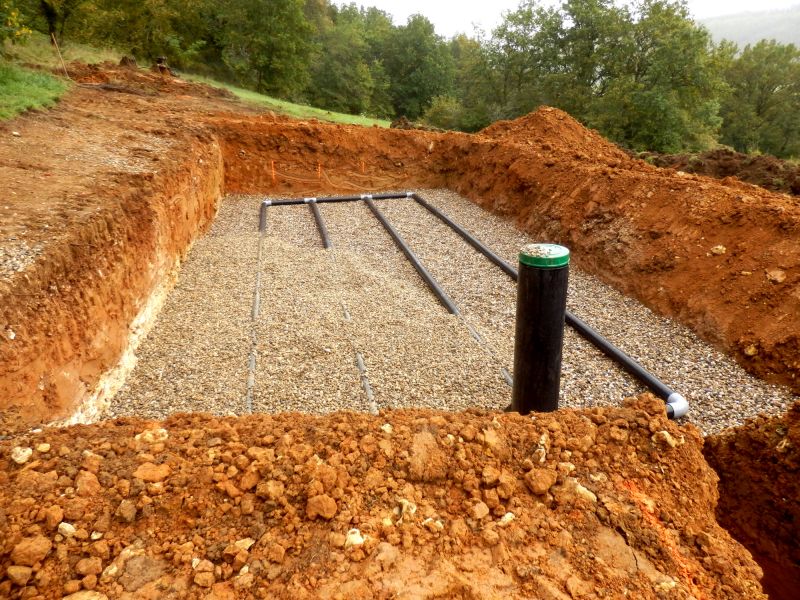
Drain Field Replacement in Denver, CO
Drain field replacement involves removing an existing drain field system and installing a new one to ensure proper wastewater dispersal from a septic system. This service is typically required when a drain field has failed, become saturated, or shows signs of deterioration, such as persistent odors, standing water, or sewage backups. Projects can range from replacing small sections of a drain field to complete system overhauls, depending on the extent of the damage and the property's specific needs. Homeowners often want to understand the scope of work involved, the signs indicating a replacement is necessary, and how the process may impact their property.
Before requesting drain field replacement, property owners usually seek information about the condition of their existing system and the factors that might necessitate a new installation. It’s common to inquire about the lifespan of drain fields, the potential disruptions during installation, and any requirements for permits or site preparation. Understanding the size and layout of the property, as well as the capacity needed for the septic system, can help determine the most suitable replacement options. Clear communication about these aspects can help homeowners make informed decisions about maintaining a healthy and functional wastewater management system.
Many property owners in Denver, CO look into Drain Field Replacement for repairs, replacements, upgrades, and appearance-related improvements.
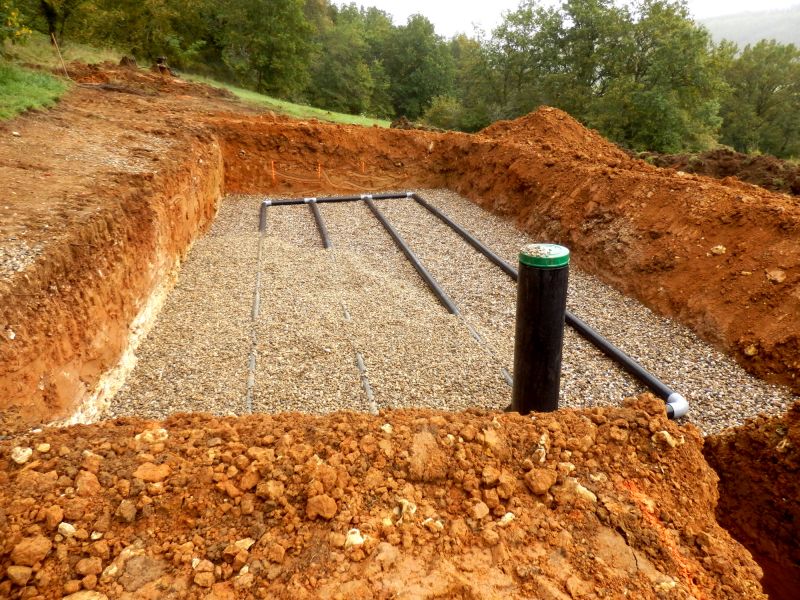
Signs Of Drain Field Failure
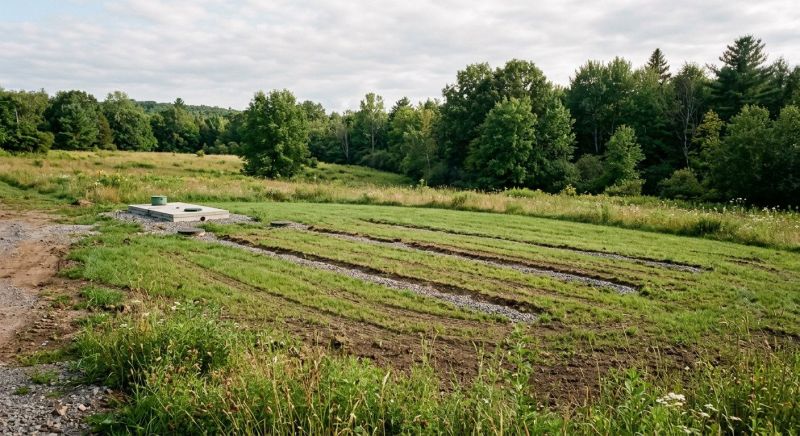
Property owners may notice persistent odors, soggy spots, or backups indicating a need for drain field replacement.
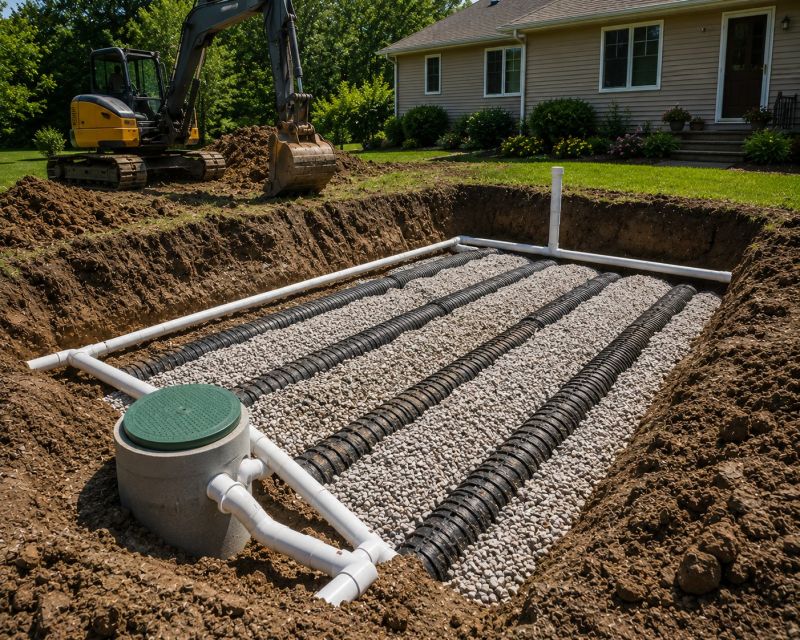
Drain Field Replacement Process
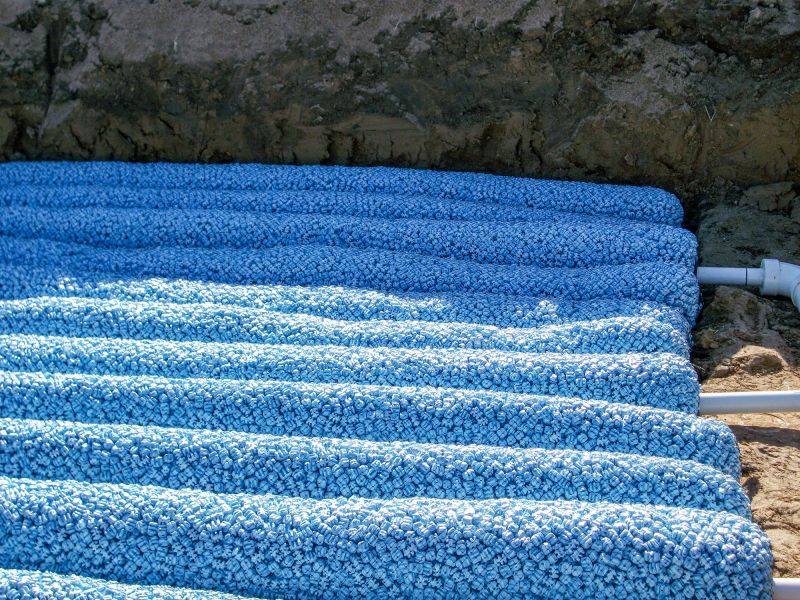
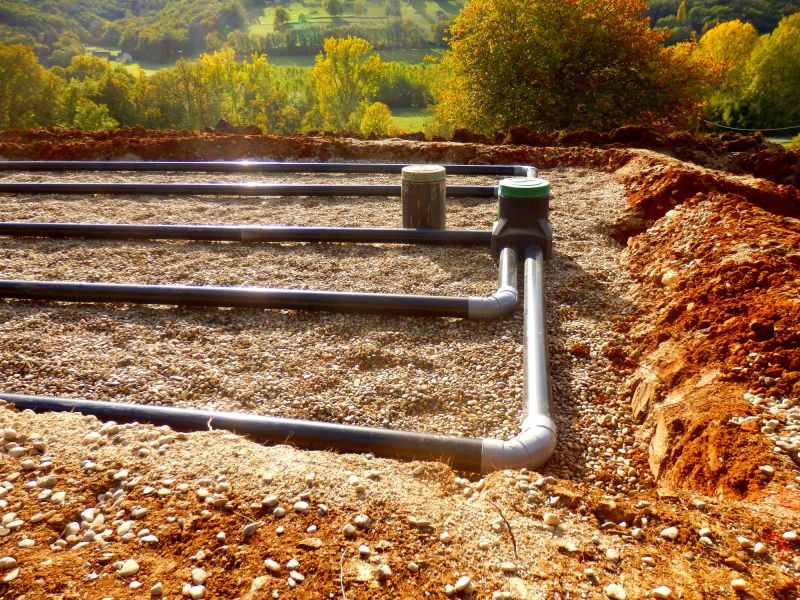
Replacing a drain field involves excavation, removal of old components, and installation of new systems tailored to property needs.
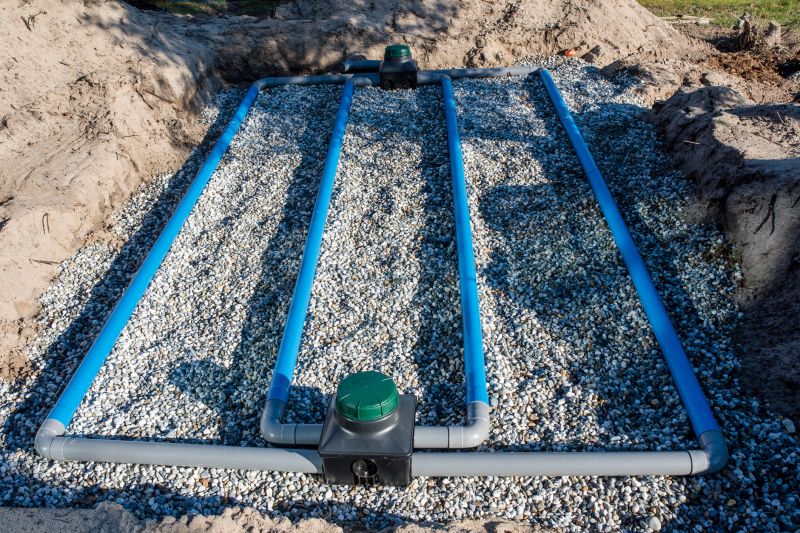
Choosing The Right System
Selecting an appropriate drain field system depends on soil conditions, property size, and local regulations in denver, co.
Drain Field Replacement in Denver, CO

Drain field replacement involves removing an existing drain field system and installing a new one to ensure proper wastewater dispersal from a septic system. This service is typically required when a drain field has failed, become saturated, or shows signs of deterioration, such as persistent odors, standing water, or sewage backups. Projects can range from replacing small sections of a drain field to complete system overhauls, depending on the extent of the damage and the property's specific needs. Homeowners often want to understand the scope of work involved, the signs indicating a replacement is necessary, and how the process may impact their property.
Before requesting drain field replacement, property owners usually seek information about the condition of their existing system and the factors that might necessitate a new installation. It’s common to inquire about the lifespan of drain fields, the potential disruptions during installation, and any requirements for permits or site preparation. Understanding the size and layout of the property, as well as the capacity needed for the septic system, can help determine the most suitable replacement options. Clear communication about these aspects can help homeowners make informed decisions about maintaining a healthy and functional wastewater management system.
Many property owners in Denver, CO look into Drain Field Replacement for repairs, replacements, upgrades, and appearance-related improvements.
Common Drain Field Replacement Jobs
Drain field replacement involves removing and installing new drain fields to ensure proper wastewater disposal.
Septic system upgrades may require replacing aging drain fields to prevent system failures.
Soil and site assessment helps determine the best location and design for a new drain field.
Drain field repair can be necessary when existing systems show signs of failure or inefficiency.
Environmental considerations include ensuring proper drainage and avoiding contamination risks.
Property improvements can include replacing drain fields to support property expansion or landscaping projects.
Drain Field Replacement Questions
What is drain field replacement? It involves removing and installing a new drain field system to ensure proper wastewater dispersal from a septic system.
When is drain field replacement needed? It is typically required when the existing drain field fails to drain properly, shows signs of saturation, or has persistent backups.
What are common signs of a failing drain field? Indicators include foul odors, pooling water above the drain field, slow drains, or sewage backups inside the property.
How does the replacement process work? The process involves excavating the old drain field, removing damaged components, and installing a new system designed for the property’s needs.
Request Drain Field Replacement in Denver, CO
Use the quote form on this page to share the basics of your project and request more information for the type of work you need.