
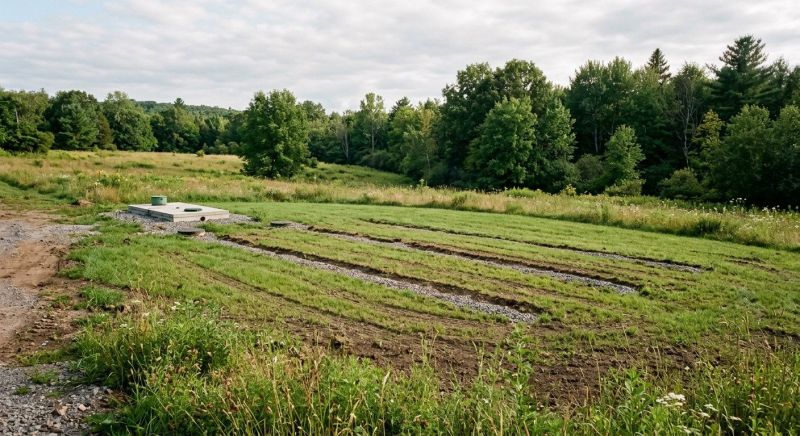
Septic Field Installation in Denver, CO
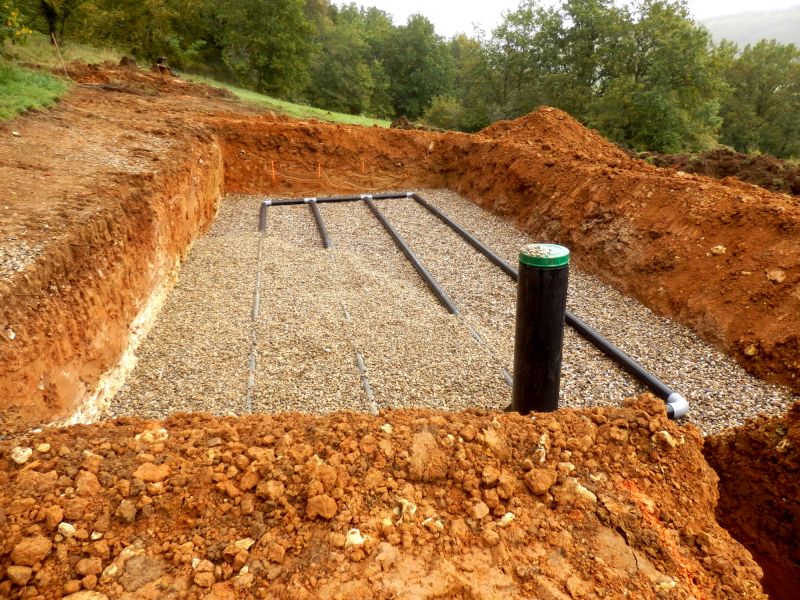
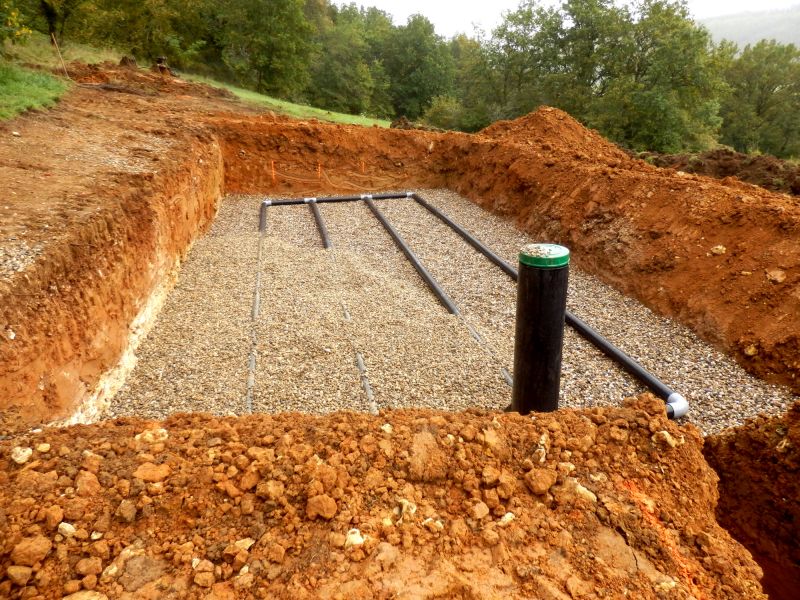
Septic field installation involves setting up the underground system that treats and disperses wastewater from a property. This service is essential for homes that rely on a septic system rather than municipal sewer connections. Projects typically include designing, excavating, and installing drain fields, which consist of a series of perforated pipes and gravel beds that allow wastewater to safely percolate into the soil. Property owners usually want to understand the size and layout of the septic field, site preparation requirements, and how the installation will impact their property to ensure proper function and compliance with local regulations.
Before requesting septic field installation, property owners should consider factors such as soil type, property size, and the location of existing structures or water sources. It’s important to evaluate the site’s suitability for a drain field and any necessary permits or approvals required by local authorities. Understanding the maintenance needs and lifespan of the system can also help in planning for long-term functionality. Clear communication of these details can facilitate a smooth installation process tailored to the specific needs of the property.
Many property owners in Denver, CO look into Septic Field Installation for repairs, replacements, upgrades, and appearance-related improvements.
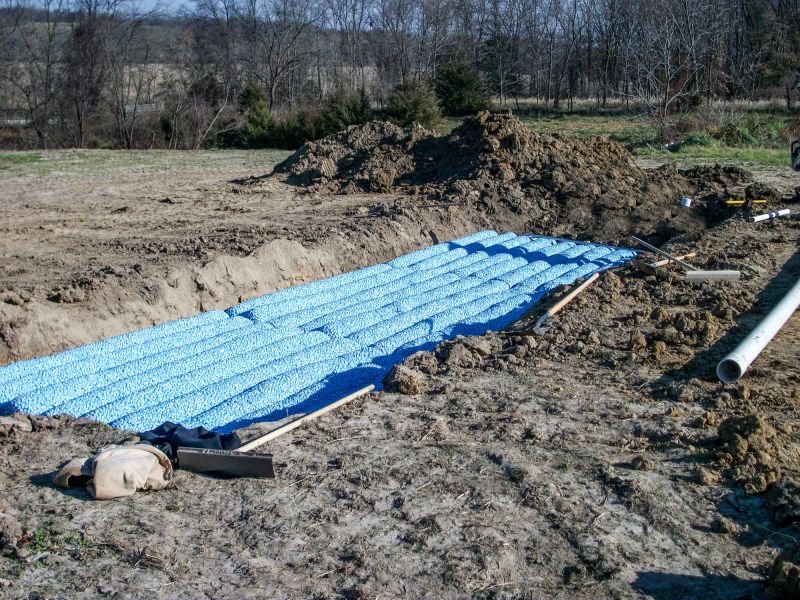
Septic Field Design And Planning
Proper site assessment ensures effective septic system installation tailored to your property.
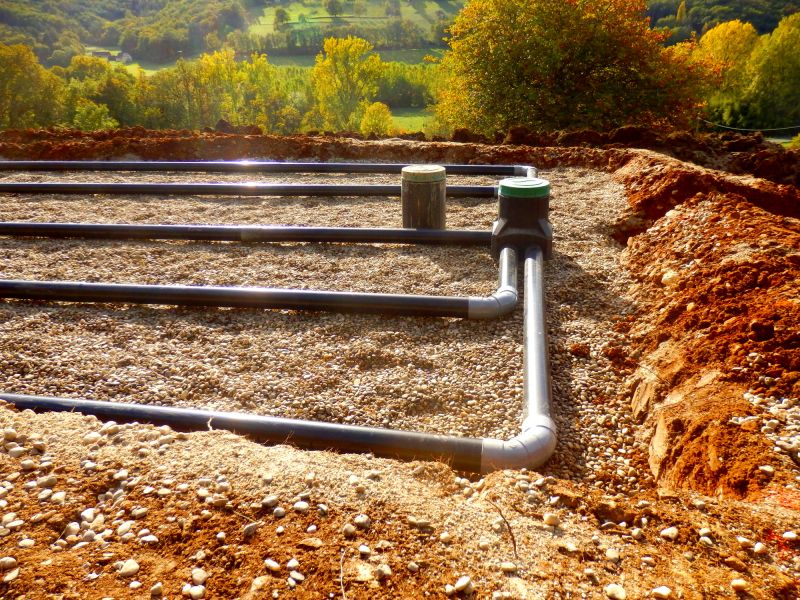
Septic System Installation
Installation involves careful excavation and placement to ensure long-term functionality.
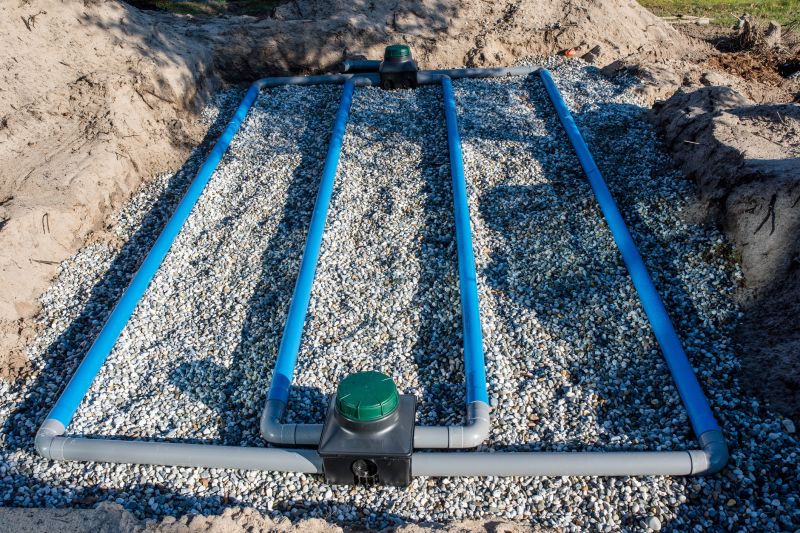
Septic System Maintenance And Repair
Regular inspections and repairs help maintain system performance and prevent costly issues.
Septic Field Installation in Denver, CO

Septic field installation involves setting up the underground system that treats and disperses wastewater from a property. This service is essential for homes that rely on a septic system rather than municipal sewer connections. Projects typically include designing, excavating, and installing drain fields, which consist of a series of perforated pipes and gravel beds that allow wastewater to safely percolate into the soil. Property owners usually want to understand the size and layout of the septic field, site preparation requirements, and how the installation will impact their property to ensure proper function and compliance with local regulations.
Before requesting septic field installation, property owners should consider factors such as soil type, property size, and the location of existing structures or water sources. It’s important to evaluate the site’s suitability for a drain field and any necessary permits or approvals required by local authorities. Understanding the maintenance needs and lifespan of the system can also help in planning for long-term functionality. Clear communication of these details can facilitate a smooth installation process tailored to the specific needs of the property.
Many property owners in Denver, CO look into Septic Field Installation for repairs, replacements, upgrades, and appearance-related improvements.
Common Septic Field Installation Jobs
Septic Field Installation - Proper installation ensures effective wastewater treatment for residential properties.
Septic Field Repair - Repairs address issues like leaks or system failure to restore proper function.
Septic System Replacement - Replacing an outdated or failing septic field extends system lifespan.
Leach Field Construction - Construction of new leach fields supports proper drainage and soil absorption.
Drainage System Design - Custom designs optimize septic field performance based on property layout.
Septic System Inspection - Inspections identify potential problems before they cause system failure.
Septic Field Installation Questions
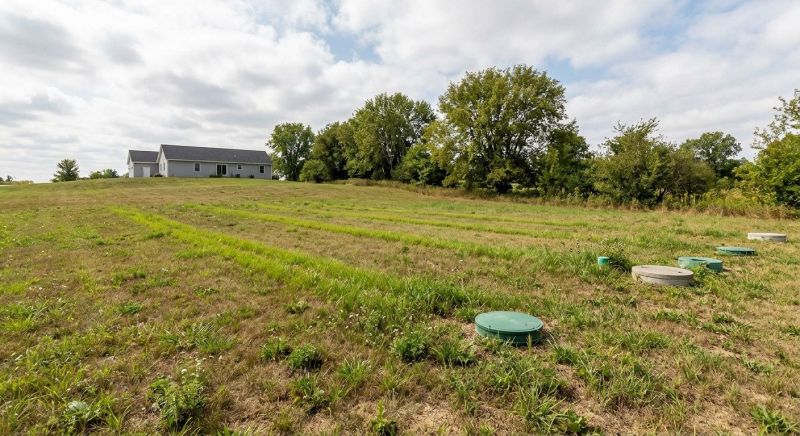
What is a septic field? A septic field is an underground system that treats and disperses wastewater from a home or property, preventing contamination and odors.
How do I know if my property needs a new septic field? Signs include standing water, slow drains, or unpleasant smells, indicating the existing system may be failing or insufficient.
What factors influence the installation process? Soil type, property size, and local regulations are key factors that impact the design and placement of a septic field.
Is professional installation necessary for a septic field? Yes, proper installation ensures the system functions correctly and complies with local standards, helping to prevent future issues.
Request Septic Field Installation in Denver, CO
Use the quote form on this page to share the basics of your project and request more information for the type of work you need.